
Posts Tagged ‘Compost Standards & Regulations’
Hierarchy to Reduce Food Waste and Grow Community
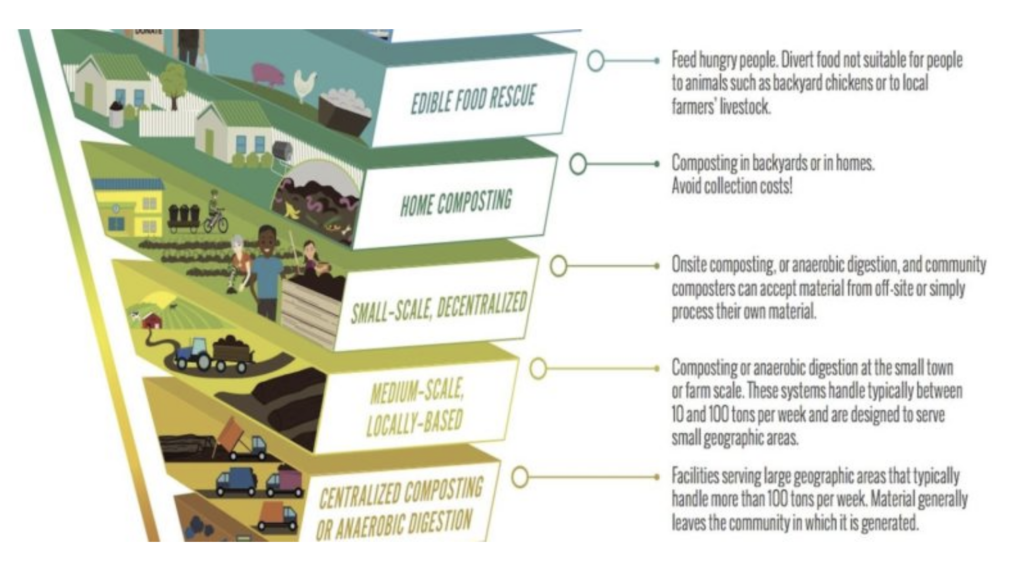
Policy Tools for Capacity Building
The Waste to Wealth program seeks to encourage a composting infrastructure that is locally distributed and possesses a diversity of scales, feedstock materials, and end-uses for compost products. For more information, see ILSR’s report on “The State of Composting in the US” for a national snapshot of composting policy and models to replicate. State of Composting in the…
Read MorePerformance-Based Composting Permit Regulations
Performance-based compost regulations describe standards to be met without imposing restrictions on the exact way to meet those standards. Several states in the Pacific Northwest (such as Washington and Oregon), as well as Ohio in the Midwest have implemented performance-based standards, thereby acknowledging that no one regulatory model is best for every facility. These rules…
Read MoreOn-Farm Composting Rules and Permit Exemptions

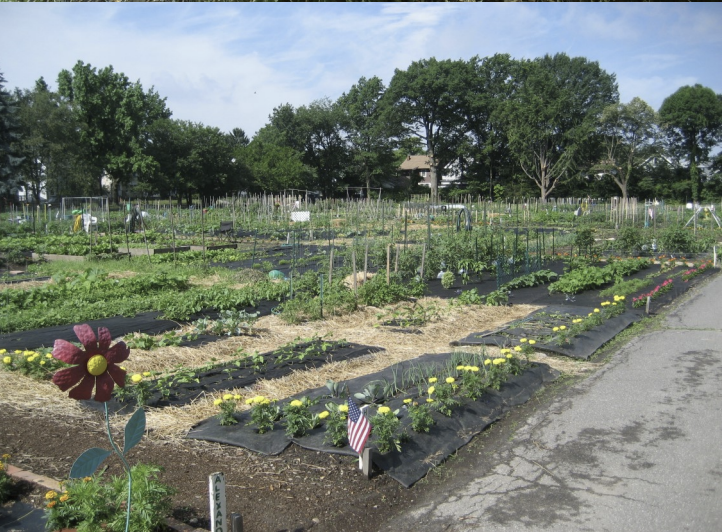
Farmers have a vital role to play in producing and utilizing compost to restore depleted soils. Permit exemptions authorize compost operations on farms and smaller-scale facilities, such as community gardens, thus avoiding superfluous permitting requirements intended for larger, full-scale compost facilities. Because there are often significantly less risks or hazards associated with on-farm and small-scale composters,…
Read MoreFood Scrap Recovery Policies
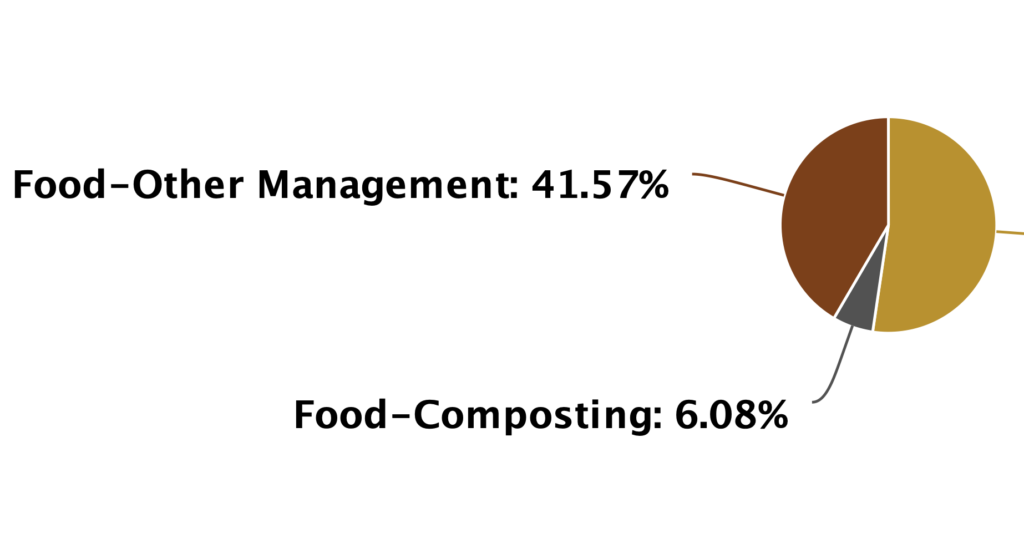
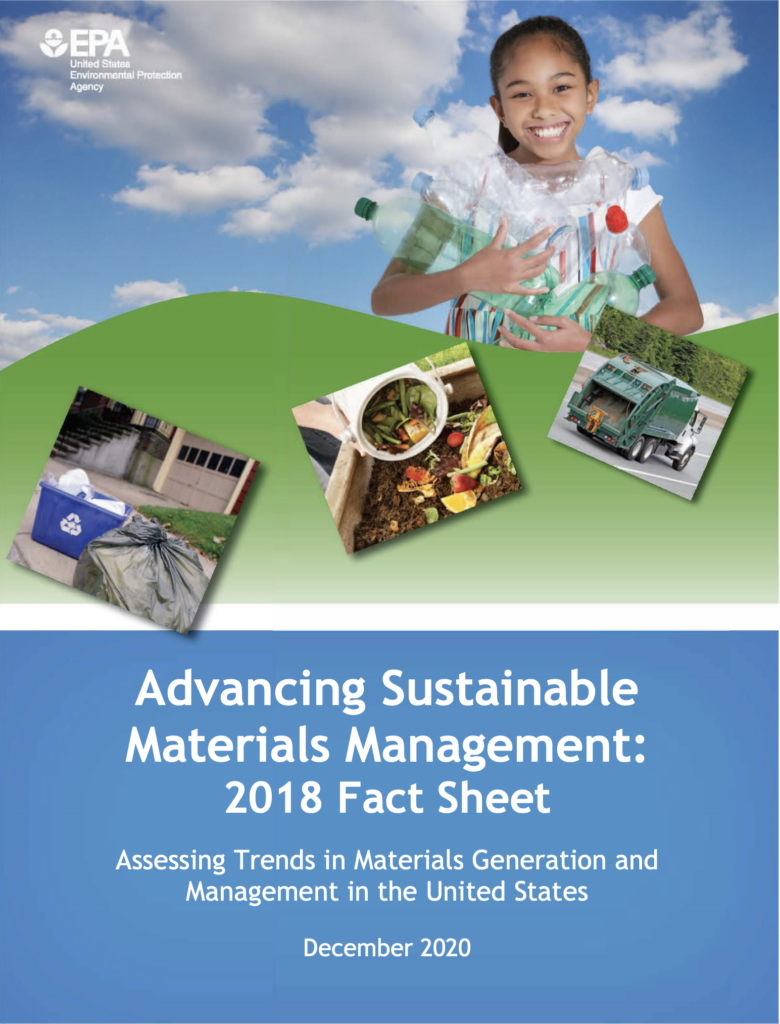
According to the US Environmental Protection Agency’s data on municipal solid waste generation and management, an estimated 52.4 percent of yard trimmings were “grasscycled” or composted in 2018, while only 6.1 percent of food scraps were composted. Policies that ban food scraps from landfills can have a tremendous and immediate effect on diverting organics from the…
Read MoreCompost -Amended Soil Requirements
Incorporating compost into soils that are disturbed or damaged by human development (such as typical construction practices) has many benefits for the overall health of the soil ecosystem including: improved water retention, increased infiltration rates, greater binding ability, pH stabilization, and micronutrient enrichment. These micro-level soil benefits in turn, lead to significant community benefits on…
Read MoreCompost Procurement Policies
Government agencies, business, and institutions are developing environmental procurement guidelines and policies that require the purchase of compost to enhance their construction and/or landscaping operations. In addition, more and more of these entities are specifying that the compost be purchased locally, which minimizes transportation impacts, creates demand in the local market for a sustainable compost…
Read MoreBan on Yard Trimmings in Landfills
Ban on Yard Trimmings in Landfills In addition to implementing yard waste reduction strategies, such as grasscycling, some jurisdictions have banned yard trimmings from landfills. Where such bans exist, public waste management authorities often provide residents the option of curbside collection if the yard debris is “source-separated” from other waste or public drop-off locations. Landfill bans,…
Read MoreInternational Compost Awareness Week
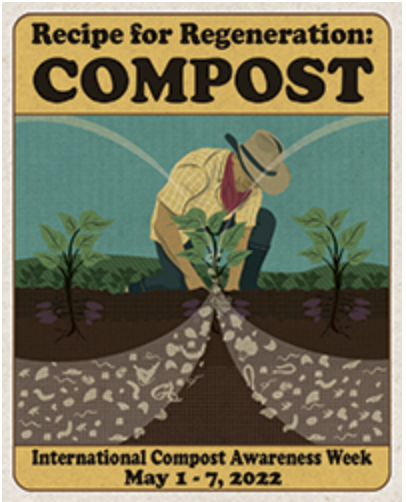
ICAW 2023. May 7 – 13, 2023 For Healthier Soil, Healthier Food…Compost! International Compost Awareness Week (ICAW) is the largest and most comprehensive education initiative of the compost industry. It is celebrated nationwide and in other countries each year during the first full week of May. The goal of ICAW is to work together…
Read MoreOrganics Infographic
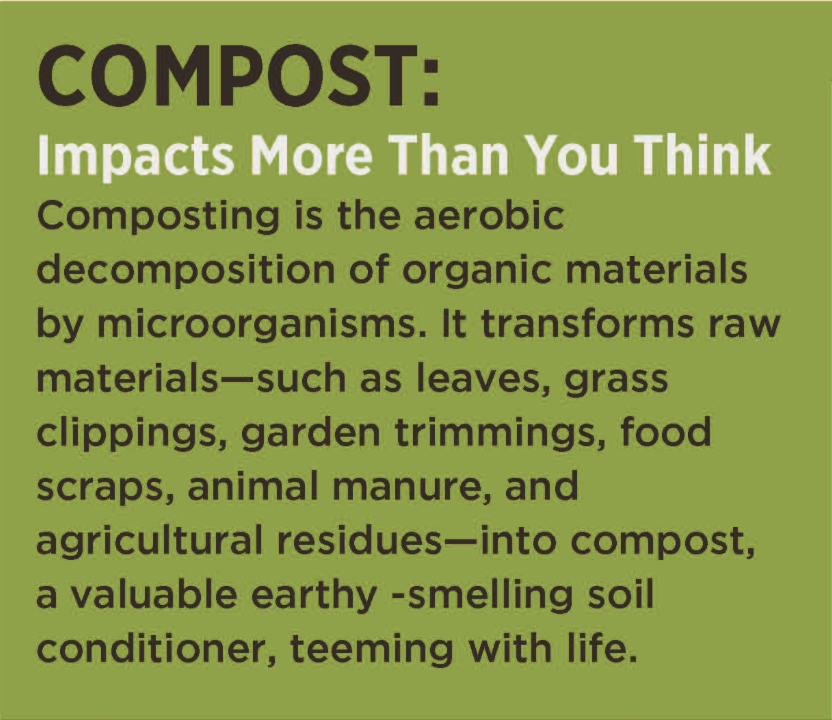
One Person’s Trash is . . . another’s black gold Click Here for Infographic
Read More