
US Composting Council
Using STA Certified Compost – Manufacturer Requirements: Test Results

Understanding Compost Technical Data Sheets Since growing conditions and plant requirements vary, compost users can benefit from information that accurately characterizes the compost products they use. This data can help you to improve the way you use compost to best meet your particular needs and to fit your specific situation. Fortunately, all STA Certified Compost…
Read MoreUsing STA Certified Compost – Program Foundation: Lab Oversight

The Compost Research and Education Foundation www.compostfoundation.org Research Supporting scientific research is a core focus of the CREF mission. Here are some of the most current research projects and upcoming future project areas from the Foundation: Soluble Salts This literature review looks at the issue of soluble salts with the goal of beginning a dialogue…
Read MoreUsing STACertified Compost – Manufacturer Requirements: Frequent Testing
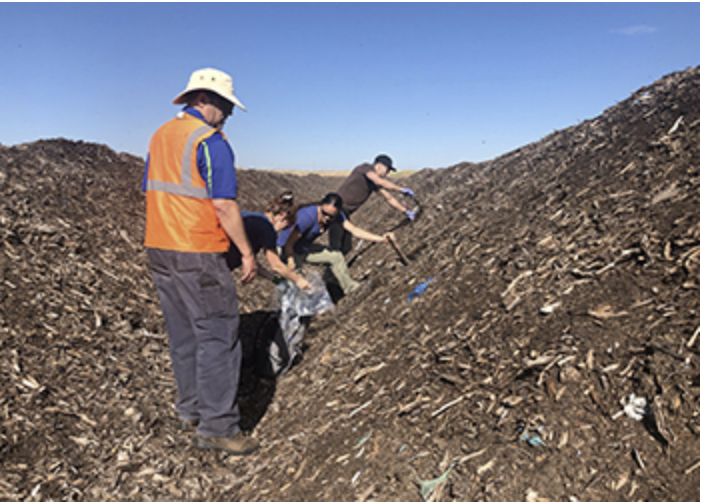
Testing compost often is key to staying on top of understanding a product that is constantly evolving. Manufacturers who produce: Over 17,501 wet tons / year must test monthly 17,500 to 6,201 wet tons / year must test every two months Under 6,200 wet tons / year must test every three months
Read MoreUsing STA Certified Compost – Program Foundation: Permits

Compost manufacturers participating in the STA Certified Compost program are required to be in compliance with all local, state and national regulations for manufacturing compost. Composting is a business, and is regulated by both State, Local (county, township, city) officials for many impacts, including environmental impact (leachate, air emissions); neighbor issues (odor, traffic) and operational…
Read MoreUsing STA Certified Compost Program Foundations: Testing Methods

The Test Method for the Examination of Composting and Compost (TMECC) Provides detailed protocols for the composting industry to verify the physical, chemical, and biological condition of composting feedstocks, material in process and compost products at the point of sale. Material testing is needed to verify product safety and market claims. TMECC provides protocols to sample, monitor, and…
Read MoreUsing STA Certified Compost – Manufacturer Requirements: Lab Oversight
Using STA Certified Compost – Manufacturer Requirements: Compost Characteristics

Compost – Characteristics and Why it Matters Each batch of compost can be differentiated based on key measurable attributes. The levels of each of these characteristics impacts whether the batch is high quality compost. The relative levels determine the best use for that batch (i.e. turf growth, vegetables, etc). When using a batch of compost…
Read MoreUsing STA Certified Compost – Manufacturer Requirements: Certified Labs
Certified Labs Representative test results come from accurate compost sampling methods and from quality labs. STA Certified Compost participants must use TMECC technical sampling methods, and labs that undergo the Compost Analysis Program (CAP) quality oversight. STA Compost-Certified Laboratories provide analytical services for STA Certified Compost participants (Compost Manufacturers) and use TMECC protocols. These labs are tested three times…
Read MoreUsing STA Certified Compost – Program Foundation: Defining Compost

Definition of Compost Knowing what compost is (and what it’s not) is an important first step in ensuring that you use compost in the best way possible. Below is the official definition for what can be considered compost. Compost – is the product manufactured through the controlled aerobic, biological decomposition of biodegradable materials. The product has…
Read MoreHow to Buy and Use Compost
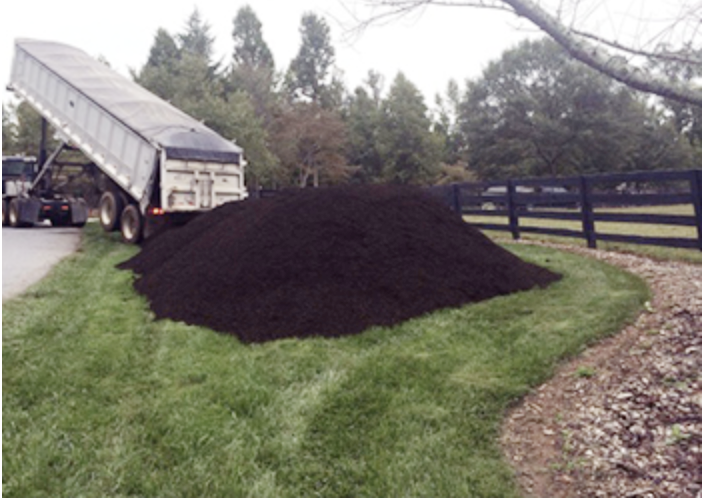
Using compost is a good first step, but using high-quality compost is even better. Finding compost suppliers and making sure that the compost you purchase has the qualities you need for your purpose are important in ensuring the success of your project. Here we’ll help you find compost manufacturers, identify that the compost is STA Certified Compost,…
Read More