
Explore the future of recycling, organics & sustainable materials management in Michigan.









Thank you 2026 Conference Sponsors!
Michigan's progress toward a 45% recycling rate by 2030 gains momentum every year. The collective commitment of communities, businesses, and service providers, of program managers and advocates brings us ever closer to a well-connected Michigan circular economy. Whether you're new to the movement or have been doing the work for years, your opportunity to be part of the biggest gathering of Michigan's recycling, organics, and materials management professionals in the state is just around the corner. Don't miss out on the informative educational sessions and valuable networking that the MRC Conference provides!
The MRC's initiative, "Leveling Up Recycling Education and Outreach," funded by the U.S. EPA, is giving professionals more access to training and resources to inform and educate your audiences. NextCycle Michigan has been accelerating projects in the public and private sectors for the past 5 years and there are no signs of stopping. Collectively the opportunities have never been greater for this sector and the conference can connect and prepare you to seize these opportunities for your initiatives.
The MRC Annual Conference provides the best opportunity for Michigan program and material managers to learn, discuss, network, and bring focus to the challenges that unite us - pulling materials out of households and businesses through well-connected and convenient recycling programs for reuse in manufacturing. Join colleagues at the conference and invigorate your relationships, ideas, and connections with new insights about what’s to come.
You play an important role in creating a sustainable future, and together, we can make it a reality.
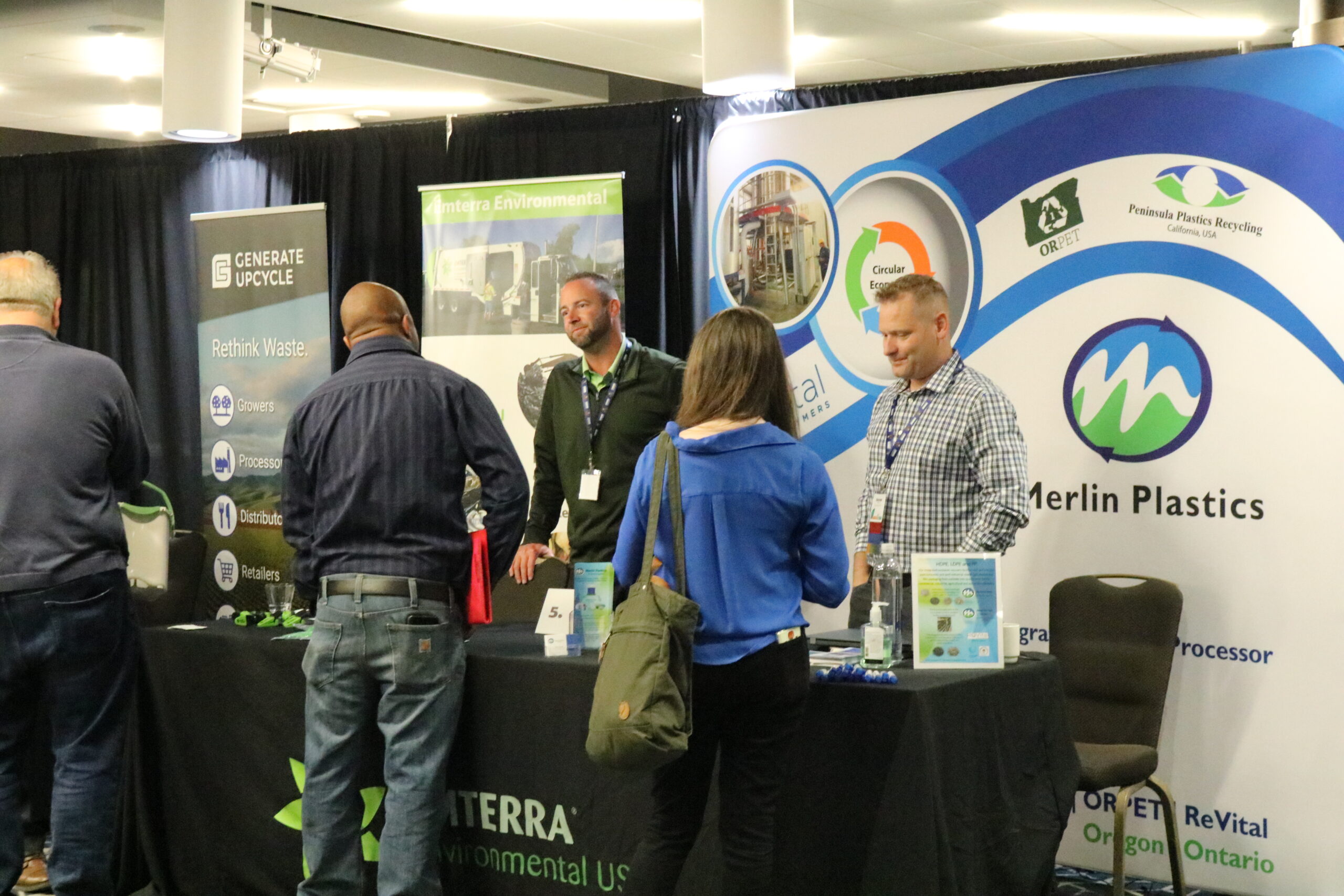
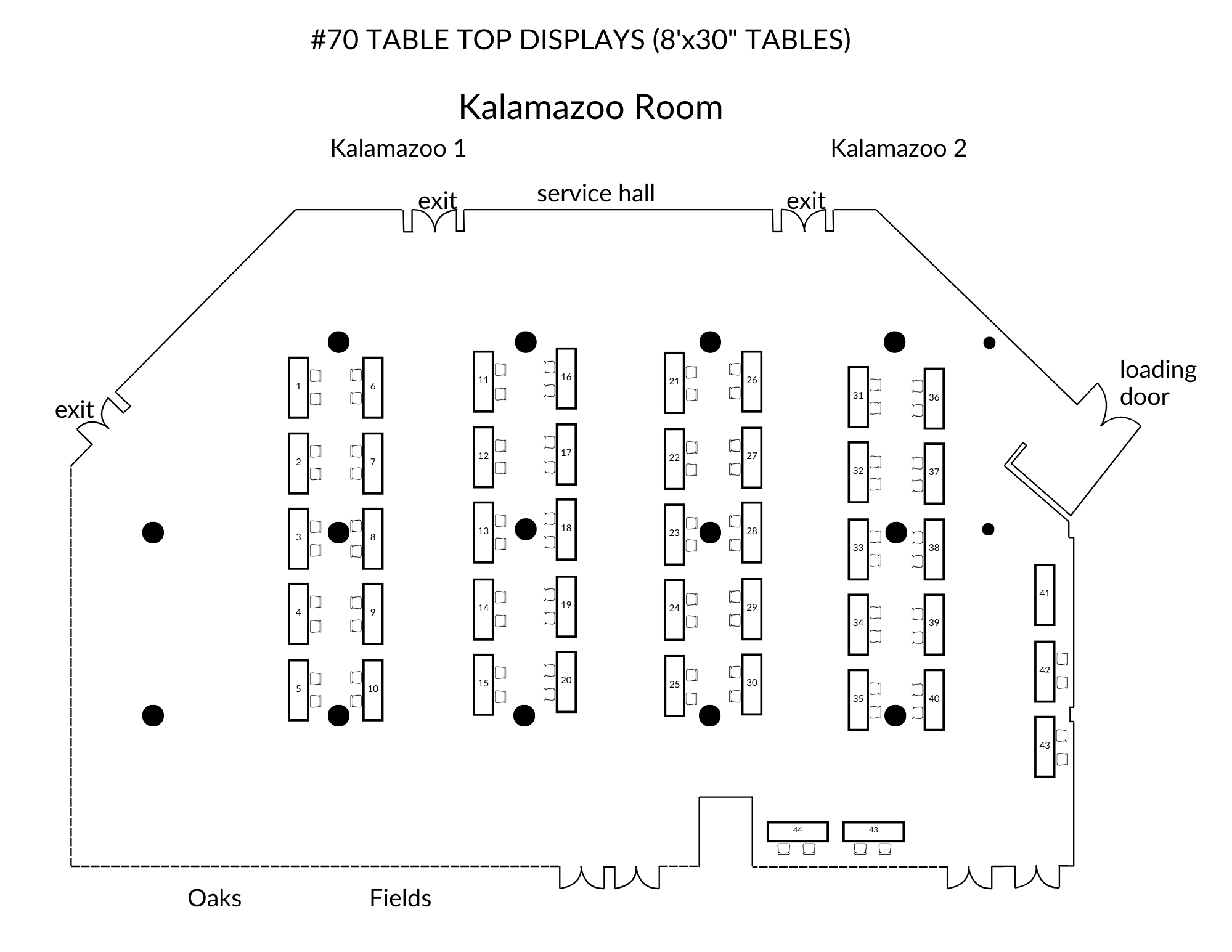
The exhibit hall at the MRC Conference is a hub of activity, and the best place to showcase your products and services to the hundreds of conference attendees across the state and across the industry. Each exhibitor package will include a dressed 6' table and registration for 1 person for Tuesday and Wednesday of the Conference.
MEMBERS $725
NON-MEMBERS $850
Have you ever considered sponsoring the MRC Conference? Packages offer booth space, complimentary registration(s), and a variety of other benefits that put your organization in front of MRC members and conference attendees. Learn more!
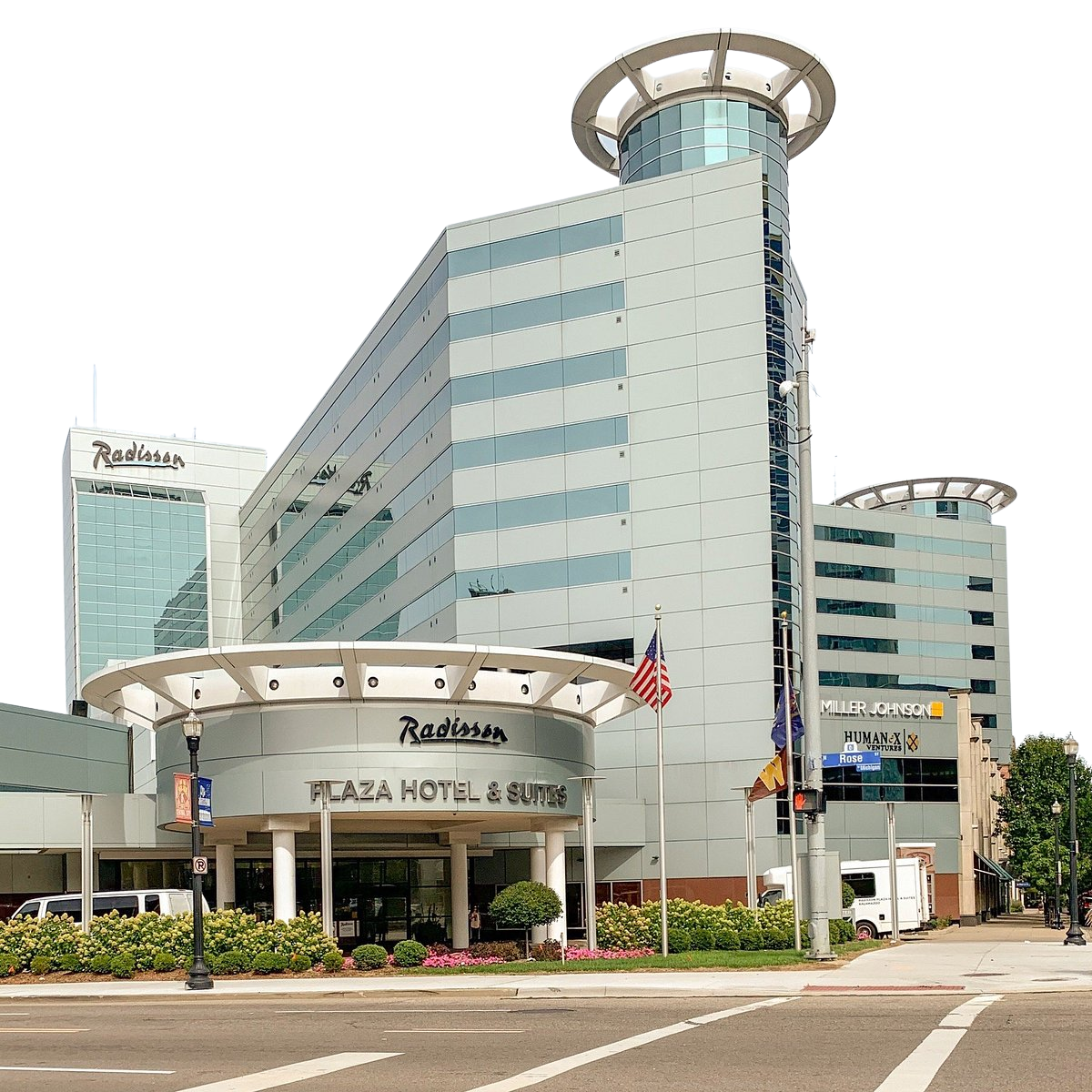
Radisson Plaza Hotel at Kalamazoo Center places you within walking distance of top area highlights—including restaurants, boutiques, and craft breweries, and is at the center of all conference action. Reserve your room using the link above or mention Michigan Recycling Coalition for your special conference rate while rooms are available!
REGISTRATION OPEN 7:30 A.M. (OPEN TO 6:00 P.M.)
AM–TRAINING A 9:00 A.M. – NOON
The Recipe for Multi-Family Recycling Success
Samantha Longshore, The Recycling Partnership
Sarah Archer, Iris Waste Diversion Specialists
Chris Broadbent, City of Kalamazoo
James Blake, City of Bay City
Becca Serrano, City of Detroit
Natalie Jakub, Green Living Science
As a segment of commercial service, multi-family households require a comprehensive and often creative approach to problem solving for service provision. Explore some of the challenges serving this sector and hear about strategies that are being used to expand services and strengthen outcomes in Kalamazoo, Detroit, and Bay City. Learn about The Recycling Partnership’s “Recipe for Change” which consists of 4 key ingredients designed to remove barriers to participation. Engage in facilitated dialogue to explore challenges and successes.
OR
AM–TOUR 1 9:00 A.M. – NOON
Kalamazoo County HHW Center & Schupan Asset Management & Electronics Recycling
From used motor oil to batteries and even vape pens, attendees will learn how Kalamazoo County collects and disposes of household hazardous waste from residents within the county’s twenty-four cities and townships. Get a complete tour of the facility, where materials are collected, stored, and prepared to be transported to sustainable management outlets.
Schupan Electronics Recycling is an R2V3 and RIOS-Certified recycler of electronic waste. Learn how Schupan processes an abundance of e-waste, recovering valuable materials, and sorting batteries for further downstream processing at their dedicated asset recovery facility. Gain insight into how Schupan handles sensitive client data via data destruction methods.
34 seats available. Vests and safety glasses will be provided as needed. Attendees are required to wear sturdy, closed-toe shoes and be prepared for inclement weather, such as rain.
OR
AM–TOUR 2 9:00 A.M. – NOON
Kalsec Compost Facility & Sebright Products
Kalsec is a family-owned company headquartered in Kalamazoo that helps the food and beverage industry discover what’s possible through Natural Color Solutions, Natural Taste & Sensory Solutions, and Natural Food Protection. As part of their broader commitment to sustainability, Kalsec is working to divert 100% of waste from landfills by 2030. Join this tour of their composting yard in Cooper Township, just north of Kalamazoo, where spent spices and other food grade materials are returned to the soil through large scale windrow composting.
Sebright Products makes the machines that make recycling possible! Walk through Sebright’s manufacturing floor and outdoor facility to gain an in-depth look at equipment that can compact recyclables, densify plastic foam, and even extract liquid from beverage containers. See an equipment demonstration onsite.
34 seats available. Vests and safety glasses will be provided as needed. Attendees are required to wear sturdy, closed-toe shoes and be prepared for inclement weather, such as rain.
LUNCH NOON – 1:30 P.M.
Provided to Tour, Training & Work Day participants only.
PM–TRAINING B 1:30 – 5:00 P.M.
Leveraging Zero Waste Frameworks
MaryEllen Etienne, U.S. Green Building Council
Third‑party certifications and professional credentials provide organizations and zero waste practitioners with structured, credible frameworks to validate performance, demonstrate leadership and drive continuous improvement. USGBC’s TRUE (Total Resource Use and Efficiency) certification offers a practical path to zero waste while delivering triple bottom line benefits—advancing environmental stewardship, strengthening social responsibility and improving economic performance through increased resource efficiency. TRUE is valuable for professionals who manage or consult on waste, reuse and recycling programs across sectors, offering a clear framework and recognized standard in a rapidly growing zero waste marketplace. The TRUE Advisor credential further strengthens professional credibility by validating foundational zero waste knowledge and equipping practitioners to apply the TRUE framework within organizations or provide informed zero waste consulting services. Participants will explore TRUE’s key components and get hands-on experience by creating a baseline assessment of material flows, identifying priority materials, and integrating TRUE principles into existing resource management programs.
OR
PM–TOUR 3 1:30 – 5:00 P.M.
City of Kalamazoo Organic Waste Management & WMU Paper Pilot Plant &
Schupan Manufacturing
The tour will start off with a drive through the City of Kalamazoo’s centrally located compost site. Learn how the city engages residents through food scrap and storm debris drop-off programs with Solid Waste Coordinator Chris Broadbent. Then, get a look at a leaf litter site managed in partnership with Morgan Composting.
Operated by Western Michigan University, the Paper Pilot Plant is a pilot-scale recycling facility that can recycle, repulp, and de-ink a wide variety of post-consumer waste. Tour the entire facility, get an up-close look at machines used to experiment with paper packaging, develop fiber molds, coat paper products, and test packaging for compostability.
The tour will conclude at Schupan’s manufacturing facility, where high-precision manufacturing methods are used to fabricate aluminum and plastic components for industries like healthcare, aerospace, and furniture manufacturing. Learn how Schupan closes the loop, achieving a 74% diversion rate on much of its manufacturing waste.
18 seats available. Vests and safety glasses will be provided as needed. Attendees are required to wear sturdy, closed-toe shoes and be prepared for inclement weather, such as rain.
OR
PM–TOUR 4 1:30 – 5:00 P.M.
Biz Aid Recycling
Chat and network while we transport you to Biz Aid in Coldwater, Michigan. Tour the integrated drop-off center and material management facility; a scalable model designed to be a hub for material collection and consolidation for the larger community. See firsthand how Biz Aid handles a multitude of material streams—including household and business recyclables, electronics, appliances, boat shrink wrap, and more. Snacks and refreshments provided.
19 seats available - Vests and safety glasses will be provided as needed. Attendees are required to wear sturdy, closed-toe shoes and be prepared for inclement weather, such as rain.
OR
AFTERNOON OF SERVICE PROJECT 1:30 – 4:30 P.M.
Kalamazoo Valley Community College: Food Innovation Center
Be a part of food waste diversion in action during this year’s day of service at the Kalamazoo Valley Community College Food Innovation Center (FIC). Learn about the FIC’s skills-based training programs, community education, and networking programs focused on building an equitable food system in Kalamazoo and beyond. Then, choose between four to five workstations where you’ll have the opportunity to feed the food system by getting hands-on with the process and the compost, as well as preparing polycultures, outdoor beds, and seed gardens for spring planting. Get ready to roll your sleeves up and work!
Attendees are required to wear sturdy, closed-toe shoes and be prepared for inclement weather, such as rain. Wear clothing and shoes that can get dirty
WELCOMING RECEPTION 5:00 – 6:00 P.M.
RRS invites attendees to kick off the networking fun with a quick refreshment and good company. Take a few moments to meet and greet other community and program leaders, equipment suppliers, manufacturers, material processors, and recycling professionals. We look forward to learning about your recycling goals and how we can build a strong circular economy in Michigan.

GRUB CRAWL 6:00 – 10:00 P.M
Always a highlight of the MRC Conference, join fellow attendees to mix and mingle at a couple of fun venues in downtown Kalamazoo. We’ll take a quick walk to vibrant downtown locales. Maps will be available. Light food will be provided at two chosen locations. You bring the conversation and fun! Sponsored by Spurt Industries.
REGISTRATION 7:00 A.M. – 6:00 P.M.
BREAKFAST 8:00 – 9:00 A.M.
WELCOME & KEYNOTE PRESENTATION 9:00 – 10:00 A.M.
Michigan’s Recycling Evolution – Progress, Challenges, and the Road Ahead
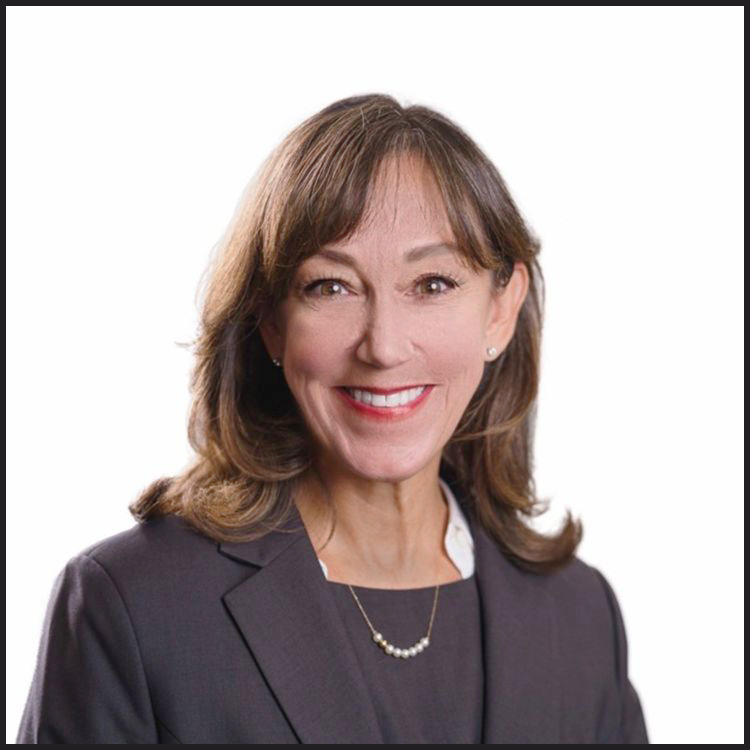
Tina Dekker, Meijer Senior VP, General Counsel & Corporate Secretary
TINA DEKKER
In 1970, Fred Meijer gave a speech in Grand Rapids, Michigan to promote environmental stewardship on the first-ever Earth Day. In the following year, Fred oversaw a test of Meijer’s first glass recycling program and, during the 1970s, spearheaded the launch of company-wide programs for recycling, energy, and waste reduction. Since then, the company’s environmental stewardship program has evolved to focus on four primary pillars: reducing carbon emissions, reducing and diverting food waste from disposal, supporting the circular economy, and serving as stewards of the Great Lakes. Meijer Senior Vice President and General Counsel Tina Dekker will expand on the organization’s past, present, and future initiatives to support the environment in the Great Lakes region and beyond.
Tina Dekker is Senior Vice President, General Counsel & Corporate Secretary at Meijer, overseeing the legal and compliance functions covering all aspects of the privately-held retail company including corporate operations, retail stores, distribution facilities, and manufacturing operations. Before joining Meijer, Dekker spent nearly 14 years with McDonald’s Corporation. Most recently as Senior Vice President, Chief Legal Counsel & Corporate Affairs for McDonald’s UK and Ireland.
CONCURRENT SESSIONS
10:10 – 11:00 A.M.
Leveling Up Recycling Education & Outreach in Michigan
Katie Fournier, Michigan Recycling Coalition
Chris Newman, U.S. EPA Region 5
Recycling education has become an important programming priority and is being supported by targeted EPA funding. Get an update on the future of EPA SWIFR and REO funding and hear about some of the interesting projects currently underway. Learn about the MRC’s EPA grant work, and dive into the newly launched Residential Education & Outreach Toolkit. The toolkit will showcase promotional templates, photo libraries, and contamination reduction and outreach guidance. Beyond a new suite of tools, the MRC is excited to share the best practices for language and imagery that have shaped our education and outreach work to-date, from sharing clear, concise know-how with residents to building campaigns that are tailored to your community.
DPA’s Working Together to Provide MMP Guidance
Ryan Carrig, Central U.P. Planning & Development
Theo Eggermont, Washtenaw County
The MRC’s Policy Committee established a subcommittee of Designated Planning Agency representatives that are working together to support the development of useful materials management plans. Learn about the development of a DPA-led MMP format document that aims to bring resources, insights, sample language, and guidance to demonstrate what success looks like in the context of plan documents. The subcommittee’s goal is to provide guidance that builds congruency and collaboration through the process and in the plan, ultimately guiding long-term programming and services.
Clarifying Opportunities for Food Waste Recovery
Emily Sisk & Logan Applebee, HDR
Jelili Adebiyi, Northern Michigan University
Diverting food waste from landfills is an ongoing challenge at all levels. HDR recently prepared statewide food waste prevention and management studies for Iowa and Wisconsin which explore disposal alternatives for food waste. These Midwest states have different infrastructure, regulations, collection systems, and political climates that require unique approaches to food waste reduction efforts. However, they will explore key findings from the studies, the “why” behind different methodologies used, recommendations made, and how to customize approaches that are reflective of differing community needs. Using data from household and restaurant waste streams and observed recycling behaviors, see practical ways to prevent waste and expand compost-diversion services that are grounded in and responsive to community needs in Michigan‘s U.P. See evidence-based behavioral nudges, targeted education strategies, and program design approaches that can reduce food waste at the source while strengthening the region’s composting business sector.
Explore NextCycle Michigan free technical and business support now and at the conference.
Making Michigan’s Electronics Take Back Law Work for Your Community
Emily Freeman, Michigan Dept. of Environment, Great Lakes & Energy
Learn how Michigan’s Electronics Waste Take Back Law (Part 173) requires manufacturers to implement free, convenient e-waste collection options for households and small businesses. Unpack Michigan’s first and only true, manufacturer-led extended producer responsibility law. Get practical guidance for helping residents access free electronics recycling in their communities.
CONCURRENT SESSIONS 11:10 A.M. – NOON
The Making of a Resilient Recycler
Alec Cooley, Busch Systems
We’ve all felt the impacts of public skepticism and how these trends appear across the media and impact attitudes towards recycling. To develop “resilient recyclers”, outreach efforts must connect them to the recycling process and validate their efforts to participate. Learn how to engage people at an emotional level, meet apprehension head-on, and provide messaging beyond just how and what to recycle. Hear about research-based engagement strategies and case studies that explain underlying behavioral dynamics and how harmonizing local programs can reduce confusion and skepticism.
Building the Backbone of Sustainable Local Recycling Systems
Moderated by Madison Opperthauser, Michigan Department of Environment Great Lakes, & Energy
Speakers to be announced
What sets successful community and county recycling programs apart? Understand the foundational elements of programming that help local governments build and sustain effective, resilient materials management systems. Hear about the key underpinnings of high-performing programs, including sustainable funding models, effective stakeholder and resident engagement, comprehensive planning tailored to local needs, and strong cross-jurisdiction collaboration.Representatives from Michigan communities will share insights into the strategies, investments, and partnerships that have helped shape their successful programs.
Unique Partnerships Moving Recycling in Shiawassee County
Rachel Osmer, Cook Family Foundation
Bryan Marks, Great Lakes Fusion
Wes Peterman, Resourceful Recycling
Recycling leadership in Shiawassee County is coming from a unique private sector partnership. Great Lakes Fusion, Resourceful Recycling, and the Cook Foundation are finding innovative ways to advance programming while the county carefully navigates the MMP process. Learn about the partners, the services they are providing, and the role of the Foundation in the development of a nonprofit that will serve as a hub for recycling and composting in the county.
Trash to Trade: Recycling Markets
Dan Emmerich, Schupan
Recycling markets make our world go around. They are also complex, fast-moving, and deeply influenced by prevailing economic forces. Don’t just get an update on recycling commodity markets, get a deeper understanding of markets - pricing, specifications, volatility, the impacts of contamination, and how markets impact your programs. Get tips and tricks about working with brokers and end markets to accomplish your recycling goals.
EXHIBITION: TUES 5/12
Exhibitor Hours
Open 1–7:00 P.M.
Dedicated Exhibitor Networking Hours
Dessert & Coffee 1 – 2:30 P.M.
Reception 5 – 7:00 P.M.
NETWORKING LUNCH NOON – 1:00 P.M.
MRC Annual Meeting & Annual Report
Hear from new National Recycling Coalition (NRC) Board President, Teresa Bradley, about the NRC’s current work and future priorities. Learn about MRC’s progress this year and plans for next.
EXHIBIT HALL GRAND OPENING 1:00 – 2:30 P.M.
Mix and mingle with conference exhibitors, attendees, speakers, sponsors, and guests. Get a sneak peek at the items donated to the Fund Affair that we’ll have for the evening raffle and silent auction! Bring cash and purchase raffle tickets from Board members or use a credit card to purchase tickets at the registration desk.
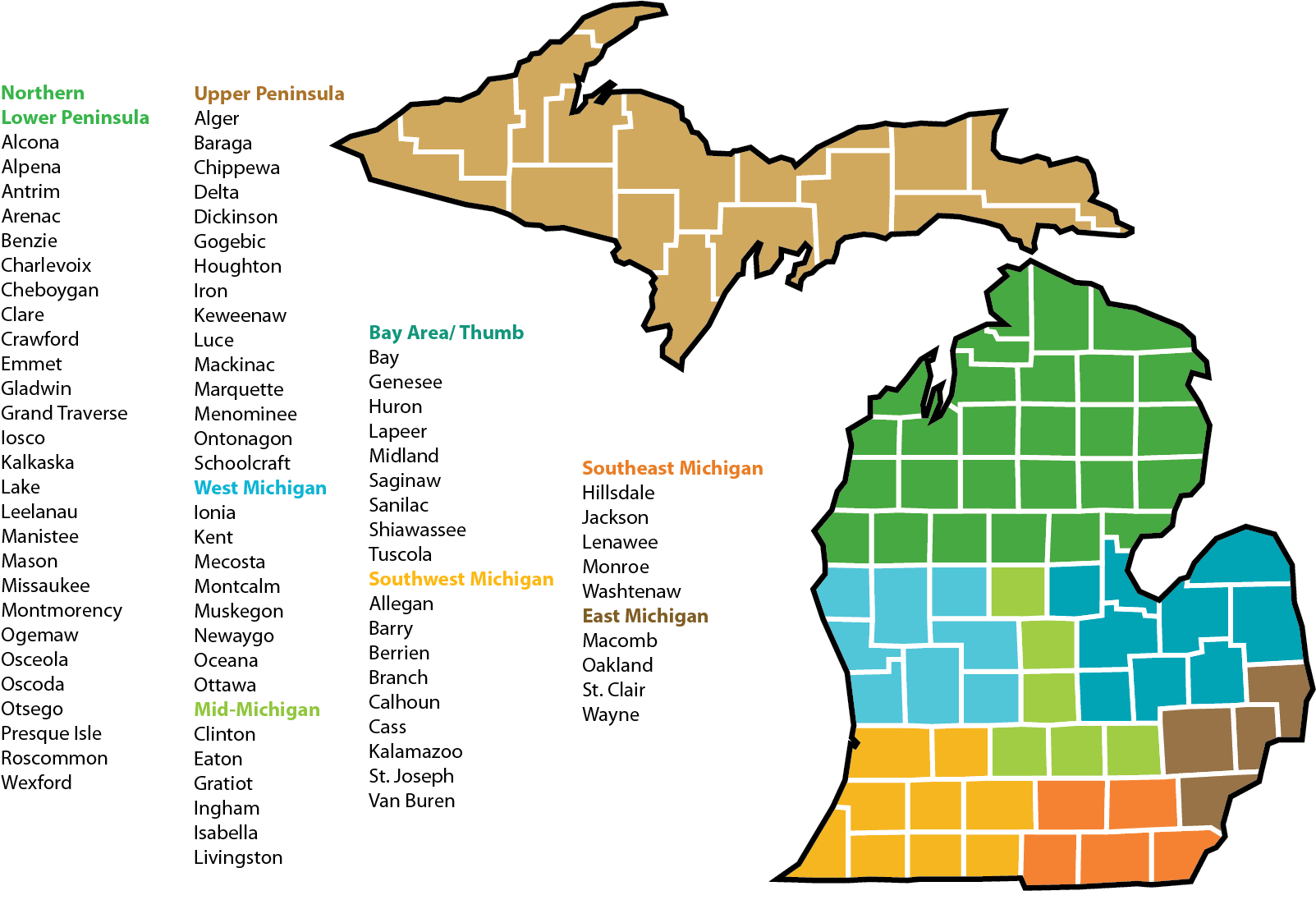
REGIONAL MEETINGS 2:40 – 4:00 P.M.
Join colleagues in eight designated MRC regions to share priorities and explore challenges. The eight regions will convene in four groups to elevate and discuss local, regional, and state level issues and policy. Please check the map to find your region and join the conversation to grow recycling where you live, work, and play.
CONCURRENT SESSIONS 4:10 – 5:00 P.M.
Bringing Focus to Public Space Recycling
Kate Martini, Western Michigan University
Jane Ye, Kathryn Stong, Madison Slater, Elena Hartigan, WMU student researchers
Western Michigan University collaborated with the City of Kalamazoo to improve waste diversion in three outdoor spaces: Lunchtime Live (a weekly food truck event), the Kalamazoo Farmers Market, and Kalamazoo’s downtown outdoor recycling program. The team analyzed waste management practices at each location, researched best practices, and developed data-driven solutions tailored to each site’s unique challenges. The initiative identified and implemented multiple practical improvements. Subsequent pilot projects aimed to increase diversion rates, reduce contamination, and enhance public engagement. Additionally, hear about lessons learned from a research project on paper cup recycling in collaboration with Graphic Packaging International. Learn about Rego, an AI tool that will be used to inform regular auditing activities for the City.
The Promise of Product Stewardship
Heidi Sanborn, National Stewardship Action Council
The momentum behind extended producer responsibility (EPR) policy adoption to manage all kinds of products from batteries to packaging is undeniable. See why shifting the burden of waste reduction and recycling to those who make the design and marketing decisions - the producer - inspires more thoughtful design with end-of-life in mind. Get a fundamental understanding of EPR policies - history, structure, and applicability across product streams. Hear about some of the challenges faced in other states as they work to prove it out.
Lifting Up Commercial Sector Recycling
Danni Schaust, GT Environmental
Commercial sector waste reduction and recycling efforts are crucial to the success of Michigan’s larger recycling aspirations. Learn from Midwest case studies that highlight best practices and innovative approaches to improve commercial sector material diversion. Case studies will explore best practices in waste auditing, onsite materials management, and negotiating fees and service contracts. Get helpful information to advance and support recycling initiatives in the business environment.
Considerations for a Successful Materials Management Plan
Elisa Seltzer & Matt Naud, RRS
Materials management planning is the most important opportunity we have to create and communicate a vision for the future of waste and materials management in Michigan. Make sure your plan includes the essential elements for success. Hear about some of the emerging challenges and opportunities facing counties and multi-county collaborations, including getting the data counties need to plan, building the capacity to manage food waste, and securing sustainable funding for new programs. Learn more about the opportunities of flow control, hauler licensing, single hauler services, landfill surcharges, host agreements, and other funding mechanisms that will breathe your plan to life.
APPETIZERS & COCKTAILS WITH THE EXHIBITORS 5:00 – 7:00 P.M.
Join exhibitors and attendees for some relaxed networking in the Exhibit Hall. Heavy appetizers and cash bar are the backdrop for more networking. Have projects or programs in mind? Find your contacts and get your questions answered here.
The MRC Fund Affair is a fun, fast-paced networking event featuring a range of recycled and useful goodies donated by generous supporters. Join in on the fun that brings in additional funding for MRC’s Recycle, Michigan Campaign. Consider contributing a cool reusable or recycled item for inclusion. Don’t forget to bring cash to purchase raffle tickets from MRC Board members or use a credit card to purchase tickets at the registration desk.
ORGANICS NETWORKING GARDEN 7:00 P.M.
Join colleagues from the Michigan Organics Council to network about all things organics - food waste reduction, rescue, collection, management, composting, and more. Don’t miss this opportunity for more networking focused on reducing and diverting food waste and other organics to the highest and best use. Location and details to follow.
REGISTRATION OPEN 7:30 A.M.
BREAKFAST ROUNDTABLES 8:00 – 9:20 A.M.
Join colleagues for breakfast and conversation around regional projects, opportunities, and challenges or on topics of growing interest. Tables will have topics to get the conversation started.
PLENARY 9:30 – 10:30 A.M.
The State of Recycling in Michigan
Julie Staveland, Department of Environment, Great Lakes and Energy
Elisa Seltzer, RRS
Matt Fletcher, Department of Environment, Great Lakes and Energy

Michigan’s investment in recycling through the Renew Michigan Fund in 2018 set the stage for a statewide push toward a stronger, more resilient circular economy. Get a high‑level look at how the Michigan Department of Environment, Great Lakes, and Energy (EGLE) has been shaping that effort - highlighting the program priorities that are accelerating circular economy development and showing how those priorities align with broader State goals. Get an overview of EGLE’s latest Gap Analysis with focused insights on three areas that are rapidly evolving and increasingly urgent: food waste recovery, battery safety and recycling, and commercial recycling collection. The Gap Analysis illustrates Michigan’s progress to date and clarifies the next steps needed to advance statewide objectives. Reflect on five years of NextCycle Michigan, showcasing how the initiative has helped launch innovative material recovery solutions, supported emerging businesses, and strengthened the infrastructure needed to keep valuable materials circulating in Michigan’s economy. Together, these updates paint a clear picture of where Michigan stands today and the opportunities aheady.
EXHIBIT HALL 10:30 – 11:00 A.M.
Mix and mingle with conference exhibitors, attendees, speakers, sponsors, and invited guests for one last time.
CONCURRENT SESSIONS 11:00 A.M. – 12:30 P.M.
The Essential Role of Hauling in Material Diversion
Dawn Hittle, Drury Brothers
Sarah Archer, Iris Waste Diversion Specialists
Mike Thomsom, Republic Services
Collecting and transporting recovered materials is often the most costly and difficult aspect of service provision. However, it is essential to assure an adequate volume of materials to secure investment in the infrastructure needed to manage those materials productively. Learn more about the ins and outs of hauling and trucking and the important factors to consider when planning for services - whether contracting for trucking services or considering the vertical integration of hauling into operations. Hear from trucking agencies that provide a variety of services and materials managers that have chosen to invest in hauling to secure feedstock.
Understanding the Role of Anaerobic Digestion in Food Waste Diversion
Jackie Ebner, RRS
Jake Namovich, ERG
Kristine Rendon, EGLE Water Resources Division
Chad Antle, Bioworks Energy
Explore the role anaerobic digestion can play in advancing food waste diversion, drawing on real‑world projects, policy developments, and emerging trends. Learn about Michigan’s evolving regulatory landscape, current developments in anaerobic digestion, and the Flint digester as an example of how biodigestion at wastewater treatment plants can be used to efficiently manage food processing waste. Hear about key findings from an assessment framework developed for the Minnesota Pollution Control Agency that evaluated the environmental impacts of alternative organic waste management pathways, including anaerobic digestion and different biogas utilization options. Discuss key challenges and opportunities for food waste and organics management across Michigan and other states, and how anaerobic digestion fits into a diversified diversion strategy.
Advancing Reusables
Ana Lisa Bassewitz, Bold Reuse
Connie Lilley, We ReUse
Kendra Schneider, Takeout Takeout
The landscape of reusables is rapidly evolving across the U.S., yet programs continue to navigate a nascent, fragmented space dominated by single-use systems. MaryEllen Etienne from US Green Building Council will moderate this interactive session that will bring focus to strategy and systems change, offering participants actionable insights, and collaborative problem-solving. Hear from Michigan reuse leaders who will share successes, challenges, and lessons learned focused on food takeout packaging and an innovative stainless-steel approach for institutions. Get practical tools to advance reuse in your organization.
EXHIBITION: WED, 5/13
Exhibitor Hours
Open 10:30 A.M.–12:30 P.M.
Dedicated Exhibitor Networking Hours
Coffee 10:30 – 11:00 A.M.
Managing for Safety: Battery Collection & Michigan Infrastructure
Haley Ketterer, Redwood Materials
Chris Newman, U.S. EPA Region 5
Kristen Bujold, Cirba Solutions
Tom Edwards, Vesco Clean Energy
Every household in America holds a hidden stockpile of batteries and battery-powered devices - small but powerful sources of critical materials that can pose safety and environmental risks when stored, handled, or disposed of improperly. Get an update on an EPA stakeholder workgroup designed to bring clarity and standardization to developing policy and programming around the recycling of end-of-life batteries. Hear about a practical case study, Redwood’s Battery Bin pilot in San Francisco, a scalable, community-based battery recycling program with a mix of public drop-off sites, events, and mail-back options. Learn about key aspects of programming including packaging solutions, design, logistics, and local agency collaboration needed to support program success. Understand the battery landscape in Michigan and gain insight into how municipalities and regional stakeholders can increase access to safe, free, and convenient battery recycling in their own communities.
LUNCH 12:30 – 1:30 P.M.
MRC Awards of Recycling Excellence Presentation
PANEL 1:30 - 2:30 P.M.
Not Just “Garbage Duty”: Stories from the People Who Make Recycling Work
Shuan Blackwell, Spurt Industries
Brittany Tremayne, PADNOS
more speakers to be announced
For many of us, dealing with waste is a chore, a ritual, a responsibility. Whether it’s getting household garbage to the curb on collection day or cleaning up after a party or event, waste is a human condition, and managing it is on all of us. Close out the conference with an energizing lightning round featuring seven stories from the people at the heart of Michigan’s recycling and waste systems. These are the frontline workers whose experiences often go unheard—people who sort materials, operate equipment, support communities, and turn big ideas into daily reality. Their stories offer a rare, personal glimpse into the challenges and opportunities shaping our industry today. Together, they will invite us to rethink value, responsibility, and the people who make effective recycling possible, revealing utility and value for waste in the most unexpected places.
CONFERENCE ADJOURNS Thank you for attending
DOWNLOAD THE APP:
SEARCH FOR "MICHIGAN RECYCLING COALITION" IN YOUR PHONE'S APP STORE